![]() Image 1 of 1
Image 1 of 1
I feel fine when I eat gluten (soft tri-blend)
This t-shirt is merely an assertion that the protein molecules found in wheat, rye and barely have little effect on my gastro intestinal system. Because it is not common knowledge, it was rejected by my fellow founders. However, I am sure there are others like me. I feel it is my duty to offer a platform for those who through sheer genetic luck or outright denial have been able to overcome the modern agricultural industrial complex, those who have been able to stare delicious, over-processed carbohydrates in the eye and say, “I am not scared of you."
These shirts are made with ethical sourcing + human rights accountability
verified cotton sourcing – isotope testing helps confirm the true origin of cotton, ensuring transparency and ethical supply chains
ethical labor standards – workplace practices exceed Fair Labor Association (FLA) and Worldwide Responsible Accredited Production (WRAP) requirements
fair compensation commitment – wages meet or exceed legal standards, with ongoing efforts toward living wages using benchmarks like the Global Living Wage Coalition and MIT Living Wage Calculator
continuous monitoring – annual wage data collection, analysis, and reporting across factories, suppliers, and distribution centers to track and improve worker pay
accountability + transparency – structured “Fair Compensation Blueprint” includes goal-setting, stakeholder feedback, progress measurement, and public reporting
responsible production practices – internal policies ensure purchasing, forecasting, and production decisions support ethical factory conditions
human rights focus – company-wide commitment to uphold dignity, prevent exploitation, and respect workers across the entire supply chain
anti-slavery protections – active measures to prevent modern slavery and human trafficking in all operations and supplier relationships
ongoing improvement – partnerships with organizations like the FLA help guide strategy, evaluate performance, and continuously raise standards
This t-shirt is merely an assertion that the protein molecules found in wheat, rye and barely have little effect on my gastro intestinal system. Because it is not common knowledge, it was rejected by my fellow founders. However, I am sure there are others like me. I feel it is my duty to offer a platform for those who through sheer genetic luck or outright denial have been able to overcome the modern agricultural industrial complex, those who have been able to stare delicious, over-processed carbohydrates in the eye and say, “I am not scared of you."
These shirts are made with ethical sourcing + human rights accountability
verified cotton sourcing – isotope testing helps confirm the true origin of cotton, ensuring transparency and ethical supply chains
ethical labor standards – workplace practices exceed Fair Labor Association (FLA) and Worldwide Responsible Accredited Production (WRAP) requirements
fair compensation commitment – wages meet or exceed legal standards, with ongoing efforts toward living wages using benchmarks like the Global Living Wage Coalition and MIT Living Wage Calculator
continuous monitoring – annual wage data collection, analysis, and reporting across factories, suppliers, and distribution centers to track and improve worker pay
accountability + transparency – structured “Fair Compensation Blueprint” includes goal-setting, stakeholder feedback, progress measurement, and public reporting
responsible production practices – internal policies ensure purchasing, forecasting, and production decisions support ethical factory conditions
human rights focus – company-wide commitment to uphold dignity, prevent exploitation, and respect workers across the entire supply chain
anti-slavery protections – active measures to prevent modern slavery and human trafficking in all operations and supplier relationships
ongoing improvement – partnerships with organizations like the FLA help guide strategy, evaluate performance, and continuously raise standards
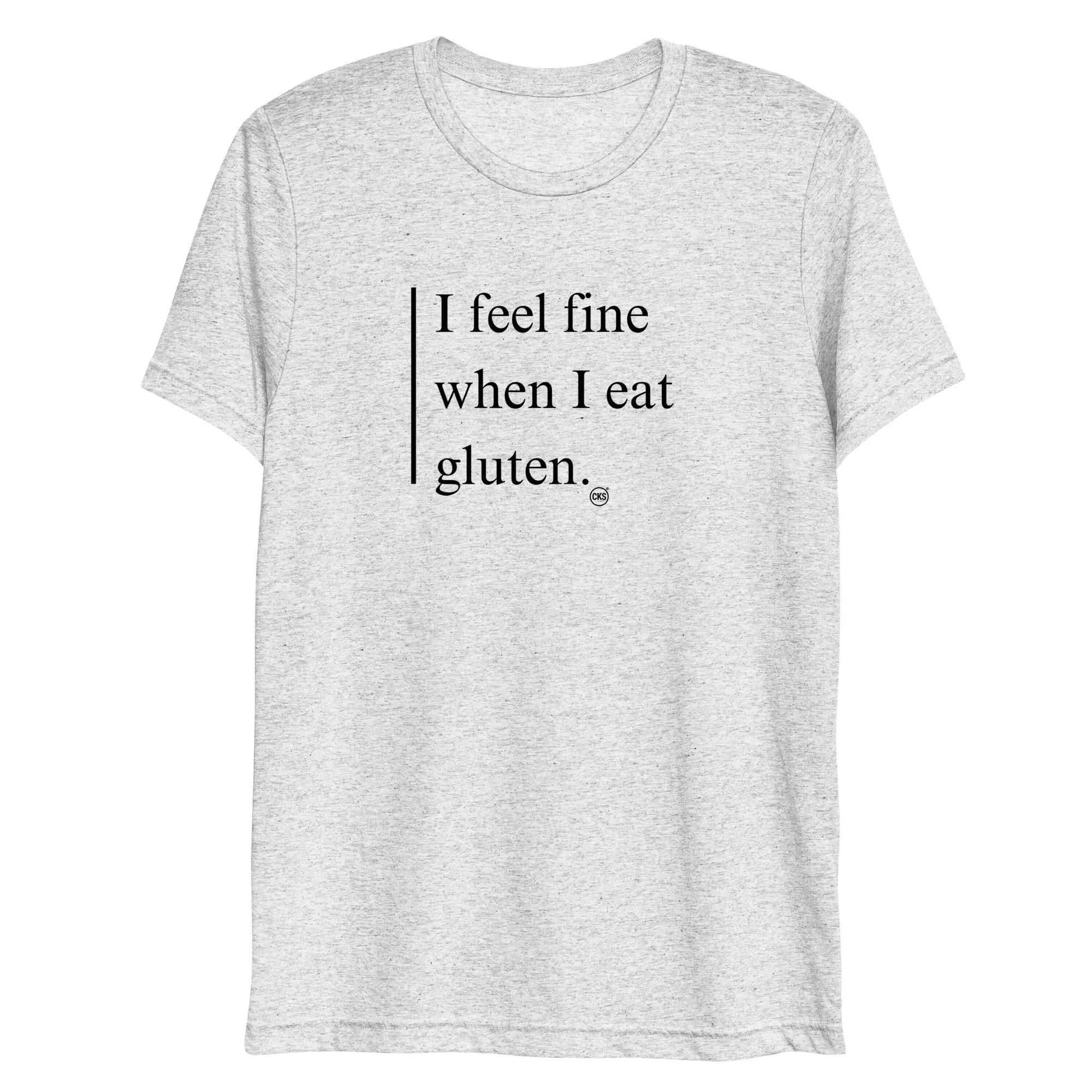 Image 1 of 1